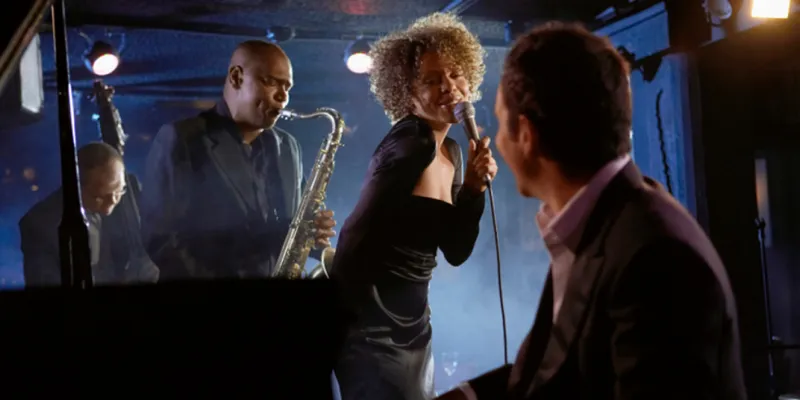
On a recent flight, I overheard a group of musicians debriefing the concert they had just played. Each one offered their take on what worked, what did not, and what they would change next time. Then the last person to speak made an observation the rest of the band had missed entirely. The whole group collapsed in laughter at how close they had come to wrapping up the conversation without ever surfacing the most important point. That moment is a useful metaphor for how teams work, or fail to work, every day.
Diversity Is Not the Same as Innovation
Most leaders today understand the headline benefit of diversity. The studies are well established and the link between diverse perspectives and stronger business results is no longer in dispute. Different backgrounds, interests, and expertise on a team produce a creativity boost that more uniform teams simply cannot match.
The trap is treating diversity as the finish line. Having the right people in the room is necessary; it is nowhere near sufficient. Diversity does not turn into innovation unless the team’s mindsets, behaviors, and practices actively pull the diverse thinking into the open. Plenty of teams have the right instruments and still produce the wrong sounds.
Two Continuums, Not Two Switches
Diversity and inclusion are not on/off states. We see both as continuums, and we work with teams across the full range:
- Teams that are not diverse at all, where the conversation needs to start with composition.
- Teams that bring genuine diversity to bear and unlock its full value.
- Teams that look diverse on paper but cannot harvest the benefits because the culture does not encourage inclusive behavior.
The third group is the most common, and arguably the most expensive. The talent is already there. The thinking is already there. The team just cannot get at it.
Why Diverse Teams Underperform
After more than two decades of coaching managers and teams in global organizations, the most consistent reason diverse teams underperform is the absence of psychological safety. It does not matter how creative or innovative individual members are if they do not feel safe sharing what they actually think. Without safety, no one is willing to go against the grain and offer the observation that would change the team’s outcome.
Two patterns appear again and again:
- A small number of people dominate collaborative discussions and, knowingly or not, take on the role of validating other people’s ideas. Everyone else quietly stops contributing.
- Decisions get made top-down often enough that team members stop sharing openly. They feel discouraged or simply unwilling to risk contradicting managers, leaders, or peers.
Either pattern, left unaddressed, hollows out the diversity that the organization spent so much effort assembling.
Red Flag Re-Contracting
The fix is not a poster on the wall about psychological safety. It is a deliberate practice of co-creating how a team will work together, and reinforcing it before each significant collaboration. We call it Red Flag Re-Contracting.
Most rules at work are about process: what we do and how we do it. Red Flag Re-Contracting is about relationships and behaviors: how we treat each other while doing the work. A simple example is the agreement to “make sure everyone’s voice is heard.” That commits the team to noticing who is and is not participating, and to actively rebalancing the conversation when one or two voices start to dominate.
Done at the start of every engagement, and re-stated whenever the team composition changes or before each problem-solving session, this kind of explicit contracting builds trust gradually but durably. Over time, team members tap into their full range of perspectives, and the team starts owning the success of every individual within it rather than just its own collective output.
What This Means for Leaders
The musicians on the plane each had a useful perspective on the performance, but it was the willingness to keep listening, all the way to the last voice, that produced the insight that mattered. Most teams cut the conversation short long before the last voice speaks. Sometimes intentionally, more often by habit.
The leadership move is to create the space for the quiet voices, the unpopular opinions, and the views that initially feel like friction. Building that kind of belonging takes time, effort, and a willingness to accept rejection and trial along the way. It does not happen overnight, and it cannot be delegated. The teams that get this right turn diversity into the compounding advantage it was always supposed to be, and produce results that the team with the right instruments alone never quite reaches.